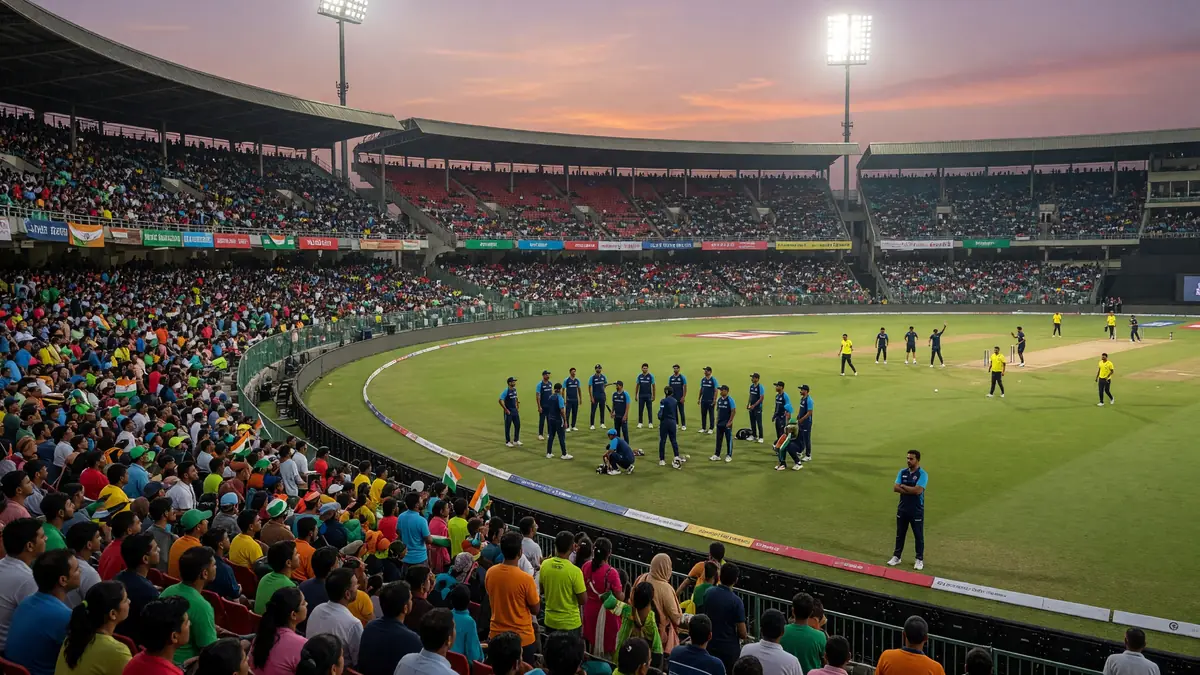
A young India side steps into the Zimbabwe assignment
Team India has opened a three-match Twenty20 International series against Zimbabwe with a deliberately younger group. The assignment follows a disappointing tour of the United Kingdom, and the selection picture is unambiguous: several senior players have been rested, while the dressing room is being asked to produce cleaner cricket under public scrutiny.
The series is short. Three T20Is leave little room for slow starts. For a side coming off a poor UK trip, the first match sets the tone not only for the result column but for how the next cycle of white-ball planning will be judged. That is why the preview focus has stayed on leadership response as much as on individual matchups.
Zimbabwe, at home conditions familiar to their core group, will treat the series as a chance to test India’s depth. India, by contrast, has used the window to hand minutes to younger names while still fielding a competitive enough side to expect control of the contest. That dual brief — rebuild confidence and still win — is the frame around the first T20I.
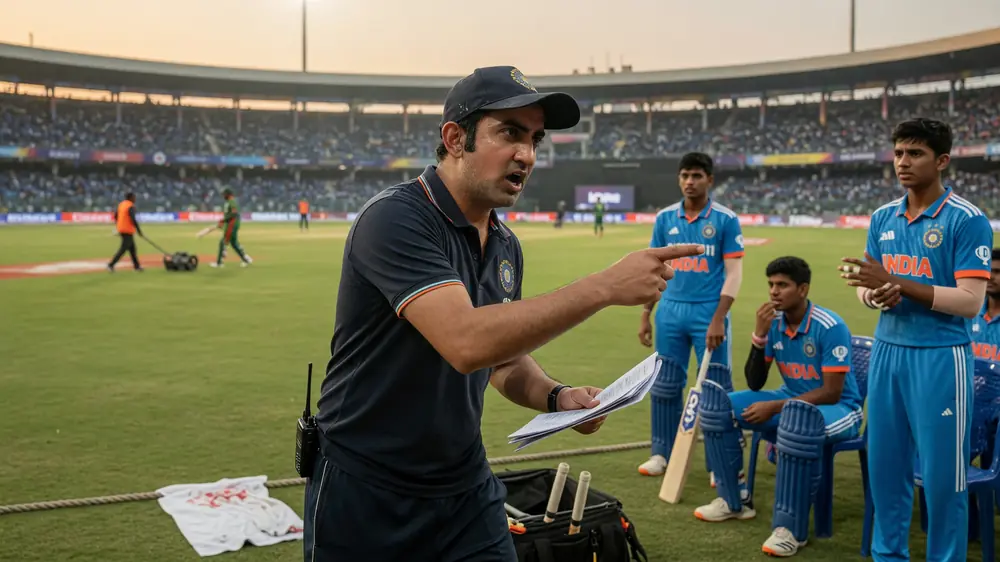
Vaibhav Suryavanshi returns to a familiar stage
Among the young players in the conversation, 15-year-old Vaibhav Suryavanshi has drawn the sharpest attention. He returns to the Under-19 World Cup venue, a rare full-circle moment for a batter still early in his international pathway.
That backdrop matters because it is not only nostalgia. Selectors resting seniors create actual game time. A teenager arriving back at the same ground carries both opportunity and expectation: opportunity because minutes are available, expectation because the public already knows the Under-19 chapter attached to the venue and will measure every outing against it.
Suryavanshi’s presence also signals how India is trying to manage the gap between age-group success and senior white-ball demands. T20 cricket compresses decision-making. Powerplay intent, middle-over strike rotation and death-hitting under scoreboard pressure all arrive faster than in longer formats. A young batter given senior minutes at a ground he already knows may settle faster than a pure debutant on a strange surface, even if senior international cricket remains a different exam.
Still, one name cannot carry the entire youth narrative. The resting of several seniors spreads responsibility across the XI. How the other younger options handle fielding standards, bowling changes and batting partnerships will decide whether this series is remembered as a sensible rotation window or as another uncertain patch.
Pressure on Shreyas Iyer after the England leg
Shreyas Iyer leads India in the series and faces mounting pressure after the side’s poor run in England. Captaincy in a short bilateral T20 set is practical work: toss calls, bowling changes, field placements and the tone set in the first ten overs. After a difficult UK tour, those ordinary decisions carry extra weight because supporters and former players read them as evidence of whether the group is resetting or drifting.
Iyer’s task is two-fold. He must get competitive performances from a younger core while keeping the side organised enough to avoid the soft sessions that defined the disappointing stretch abroad. Soft sessions in T20 cricket are expensive. A six-over spell with loose lengths, or a middle-order collapse after a solid powerplay, can decide a match before the death overs begin.
The Zimbabwe series will not erase the England results on its own. What it can do is show whether the captain’s messaging is landing: clearer roles, tighter fielding, and batting plans that do not swing wildly between over-caution and reckless acceleration. Those are process markers more than scoreboard slogans, and they are exactly what a rested-senior side needs if the experiment is to hold public confidence.
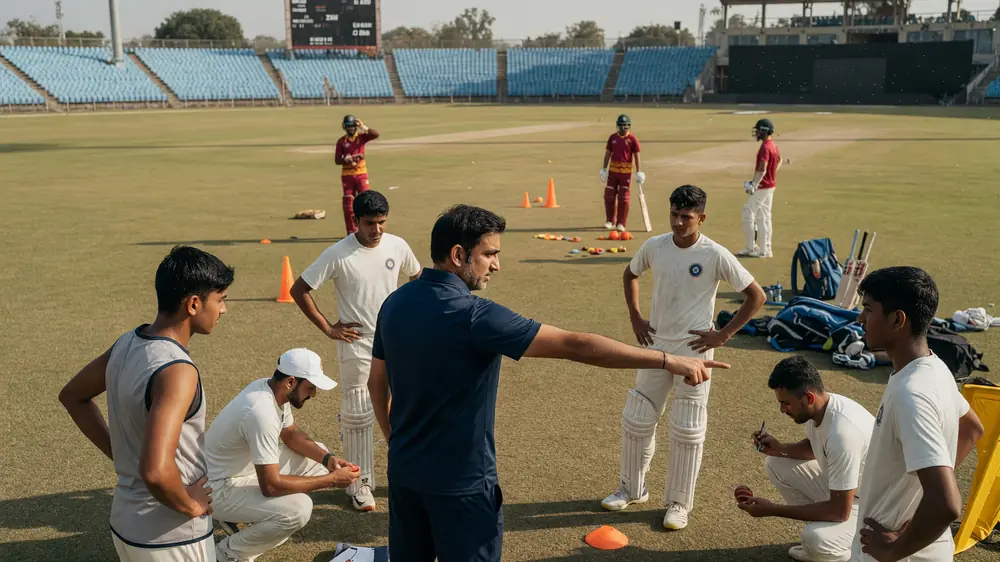
Gautam Gambhir’s brief: a strong comeback, not a holding pattern
Head coach Gautam Gambhir is also under pressure and is looking for a strong comeback from the side. Coaching scrutiny after a poor tour usually concentrates on three visible areas: selection logic, in-game adaptability, and whether players understand their roles without constant mid-innings rescue talks.
Resting seniors for Zimbabwe is itself a statement of intent. It can be read as workload management ahead of a denser calendar, as a genuine look at next-generation options, or as both. Either way, the coaching staff owns the outcome of that choice. If the younger group is organised and aggressive in the right phases, the decision looks progressive. If the side looks undercooked or tactically unclear, the same decision becomes another line of criticism.
Gambhir’s public brief, as reflected in the series preview coverage, is recovery of performance rather than long speeches about process. In practical terms that means cleaner bowling plans in the middle overs, batting partnerships that absorb a wicket without freezing, and fielding standards that do not gift extra runs. Those are measurable within three matches.
The first T20I is therefore less a ceremonial series opener and more a first data point. Preview desks have already framed the match around key players and the probable shape of the side. Exact XI announcements remain a match-eve matter and should be read only when officially confirmed; what is already clear is the leadership demand placed on both captain and coach.
Why the Zimbabwe window matters beyond the result
Bilateral series against Zimbabwe have sometimes been treated as lower-stakes fixtures on the Indian calendar. That reading underestimates the present context. India arrives with a public performance deficit from the United Kingdom, a captain under pressure, a coach seeking response, and a young core that includes a 15-year-old returning to an Under-19 World Cup venue.
In that setting, even a 2-1 or 3-0 scoreline is incomplete without the supporting details: how many soft dismissals appear, whether the bowling unit shares wickets or leans on one seamer, and whether the middle order can finish without panic. Those details travel into the next white-ball assignment far more than a thin win built on opponent errors alone.
For Indian fans tracking form into franchise and international cycles, the series also offers a live read on who is trusted when seniors are absent. Trust is not a press-conference word; it is selection continuity. Players who handle the first two matches cleanly are more likely to stay in the conversation when the full-strength side returns.
What to watch in the opening T20I
Several concrete threads are already established ahead of the first match:
- Youth minutes: with several seniors rested, the young group must convert opportunity into usable performances, not just appearances.
- Suryavanshi’s stage: the return to the Under-19 World Cup venue adds narrative weight, but only on-field decision-making will decide how long that story stays positive.
- Captaincy detail: Shreyas Iyer’s bowling changes and field settings will be examined after the England disappointment.
- Coaching response: Gautam Gambhir needs visible structure from the side, not only effort.
- Series length: three matches leave almost no buffer if the first outing goes poorly.
None of those threads requires invented scorelines. They follow directly from the confirmed series structure and the leadership pressure already attached to the assignment.
Editorial reading for fantasy and match-day followers
Readers who build fantasy sides or simply track India match days should treat this series as a form-and-role check rather than a pure reputation contest. Rested seniors change ownership patterns. Younger batters can spike in value if they bat through a powerplay or finish a chase; young bowlers can do the same if they win a middle-over phase. The caution is equal: variance is higher when experience is thinner.
The cleanest approach is to wait for the confirmed playing XI before locking differential names, then weight captain choices toward players with clear roles rather than pure hype around age or past age-group titles. Suryavanshi’s story is compelling; role clarity still decides fantasy utility.
For broader cricket coverage from the same desk, continue through CricToday cricket news, where series updates and verified squad notes are filed as they are confirmed.
Where the story goes next
The immediate marker is the first T20I of the three-match series. That match will show whether India’s younger group can hold shape under leadership pressure and whether Iyer and Gambhir can convert a rotation window into a genuine response after the United Kingdom tour.
If India begins with disciplined bowling phases and batting plans that do not collapse after the first wicket, the series can reset confidence quickly. If the opening night repeats the soft patterns from England, the pressure on captain and coach will intensify before the second match even begins. The verified facts already fix the stakes; the cricket on the field will settle the grade.
Frequently asked questions
How many T20Is is India playing against Zimbabwe?
India is playing a three-match T20I series against Zimbabwe.
Why is the squad younger for this series?
Several senior India players have been rested for the Zimbabwe T20Is, shifting attention onto younger options.
Who is Vaibhav Suryavanshi in this series context?
Vaibhav Suryavanshi is a 15-year-old Indian batter drawing major attention. He returns to the Under-19 World Cup venue as India opens the Zimbabwe T20I series.
Who is captaining India against Zimbabwe?
Shreyas Iyer is India captain for the assignment and faces mounting pressure after the side’s poor run in England.
Why is Gautam Gambhir under scrutiny?
As head coach, Gambhir is under pressure after the disappointing United Kingdom tour and is looking for a strong comeback from the side in this series.
When was this series preview reported?
WION Video Desk published series preview coverage on 23 July 2026 at 13:12 IST, addressing the first T20I context, key players and the broader leadership pressure around the side.